.svg)
Key Takeaways
- 1🧠 Pakistan deliberately slowed their chase against Zimbabwe to ensure Zimbabwe qualified over Scotland, optimizing their own net run rate for the Super Sixes.
- 2📊 By extending their chase to 26.2 overs, Pakistan carried forward a better NRR from the Zimbabwe match (23.4 overs remaining) instead of their Scotland victory (6.5 overs remaining).
- 3⚖️ Former international Andy Flower defended the tactics as justifiable and not bringing the game into disrepute.
- 4📜 While ICC Law 2.11 prohibits match manipulation for inappropriate strategic reasons, proving deliberate intent would be extremely difficult.
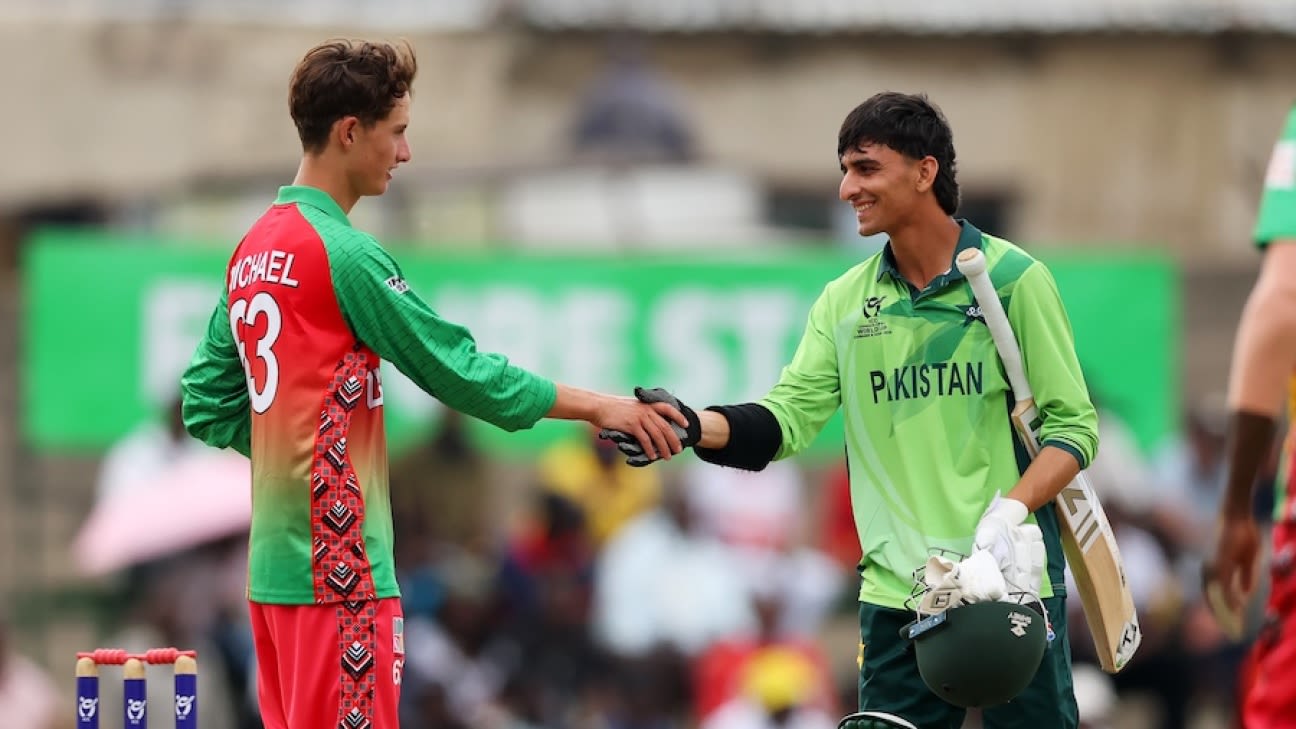
- 5🏏 Sameer Minhas finished unbeaten on 74 and was named Player of the Match, hitting two successive sixes to seal victory once Zimbabwe's qualification was secured.
"By slowing down and eliminating Scotland, Pakistan ensured they took the advantage of beating Zimbabwe into the Super Six stage"
Pakistan's Tactical Masterstroke: How Slowing Down Against Zimbabwe Secured Super Six Advantage in U19 World Cup
In a display of shrewd cricketing tactics that has sparked debate across the sport, Pakistan orchestrated a carefully measured run chase against Zimbabwe in their final Group C match of the 2026 Under-19 World Cup in Harare. The result? A victory that not only secured their progression but strategically eliminated Scotland while maximizing their net run rate advantage heading into the Super Six stage.
The Match Scenario: Setting the Stage
Chasing a modest target of 129, Pakistan found themselves in a commanding position by the end of the 14th over, having raced to 84 runs. At that point, needing just 45 runs from 11.2 overs, a comprehensive victory seemed inevitable. However, what unfolded next demonstrated the depth of tactical thinking in modern cricket.
The Strategic Slowdown
From the 15th over onwards, Pakistan's approach transformed dramatically. Sameer Minhas and Ahmed Hussain, who had been batting with attacking intent, visibly shifted gears. The pair scored just 36 runs over the next 12 overs, with a remarkable 89 consecutive deliveries passing without a boundary being struck.
The significance? Had Pakistan won before 25.2 overs, Scotland—not Zimbabwe—would have qualified for the Super Sixes. By extending their chase to 26.2 overs, Pakistan ensured Zimbabwe's qualification while simultaneously optimizing their own tournament position.
Understanding the Tournament Mathematics
The 2026 Under-19 World Cup rules stipulate that points and net run rate carry forward from the group stage to the Super Sixes, but crucially, only from matches between sides that qualify from the same group.
Pakistan had beaten Scotland with 6.5 overs to spare. By ensuring Zimbabwe qualified instead of Scotland, Pakistan could carry forward their net run rate from the Zimbabwe victory—achieved with 23.4 overs remaining—rather than the less impressive Scotland result.
Additional Strategic Benefits
The tactical approach also denied England, who topped Group C, the net run rate advantage they would have carried from their crushing 252-run victory over Scotland. This multi-layered thinking showcased Pakistan's comprehensive understanding of tournament dynamics.
Andy Flower Defends "Cunning Tactics"
Former international cricketer Andy Flower, who was on commentary duty during the match, offered a robust defence of Pakistan's approach.
"I thought it was a justifiable tactic on their part. When they go through to the Super Sixes, they will take their net run rate, which will include the Zimbabwe game but doesn't include the Scotland game. That means their net run rate is better than if Scotland went through."
Flower acknowledged the ethical questions but remained supportive:
"They needed to first establish they weren't going to lose the game, and then they just slowed down to make sure Zimbabwe got through. Some people may question the ethics of that, but I personally don't."
The Legal Question: ICC Code of Conduct
The deliberate nature of Pakistan's slowdown could theoretically raise questions under ICC regulations. Law 2.11 states that "any attempt to manipulate an international match for inappropriate strategic or tactical reasons" constitutes a Level 2 Code of Conduct offence.
However, proving intentional manipulation would be extremely difficult, and Flower maintained:
"I think it was a fair tactic and didn't bring the game into disrepute."
The Finishing Flourish
Once Zimbabwe's Super Six qualification was mathematically secured, Pakistan's attacking intent returned with dramatic flair. With nine runs needed to win, Sameer Minhas—who finished as Player of the Match for his unbeaten 74—dispatched Michael Blignaut for two successive sixes over long-on to seal the victory.
Historical Precedent: Steve Waugh's 1999 Gambit
Pakistan's tactics echo a famous precedent from the 1999 ODI World Cup, when Australian captain Steve Waugh employed a similar strategic approach during their chase against West Indies at Old Trafford. That match too saw a team manipulate their scoring rate to optimize their Super Six round positioning.
Impact on Scotland
The tactical maneuvering came at a significant cost for Scotland, who appeared poised for Super Six qualification at the midway point of Pakistan's innings. As Flower noted sympathetically during commentary:
"It must be hard for Scotland to be watching this."
Looking Ahead: Super Six Implications
Pakistan enter the Super Six stage with a significantly enhanced net run rate, positioning themselves advantageously for the knockout calculations that will determine semi-final qualification. Their willingness to think beyond the immediate match result demonstrates a level of strategic sophistication that could serve them well as the tournament progresses.
The debate over the ethics of such tactics will likely continue, but Pakistan have sent a clear message: in tournament cricket, understanding the rules and exploiting them legally is as important as on-field performance.