.svg)

Key Takeaways
- 1🏆 England ended a 12-match overseas ODI winless streak with a five-wicket victory over Sri Lanka at Khettarama
- 2🏟️ Harry Brook described the Khettarama surface as 'the worst pitch I've ever played on' due to its slow, spin-friendly nature
- 3⭐ Joe Root's Player of the Match 75 extended his exceptional Sri Lanka ODI average to 64.9 across 14 matches
- 4📊 England used a record six different spin options across 40.3 overs, demonstrating tactical flexibility
- 5🤕 Zak Crawley's late withdrawal due to a knee injury forced Will Jacks into the XI as a spin-bowling all-rounder
- 6🎯 Sri Lanka captain Charith Asalanka admitted his team was 'at least 30 runs short' after self-inflicted batting errors
"Visitors prevail on slow and low surface, but Root also critical of conditions in five-wicket win"
Harry Brook Calls Khettarama 'Worst Pitch Ever' as England End 12-Match Overseas ODI Drought Against Sri Lanka
England secured a much-needed five-wicket victory over Sri Lanka in the second ODI at Khettarama, ending a frustrating 12-match winless streak in overseas ODI cricket. However, the celebrations were tempered by sharp criticism of the playing surface from both captain Harry Brook and veteran batter Joe Root.
The Pitch That Drew Unprecedented Criticism
Harry Brook did not mince words when assessing the conditions that greeted both teams in Colombo.
"That pitch is probably the worst pitch I've ever played on."
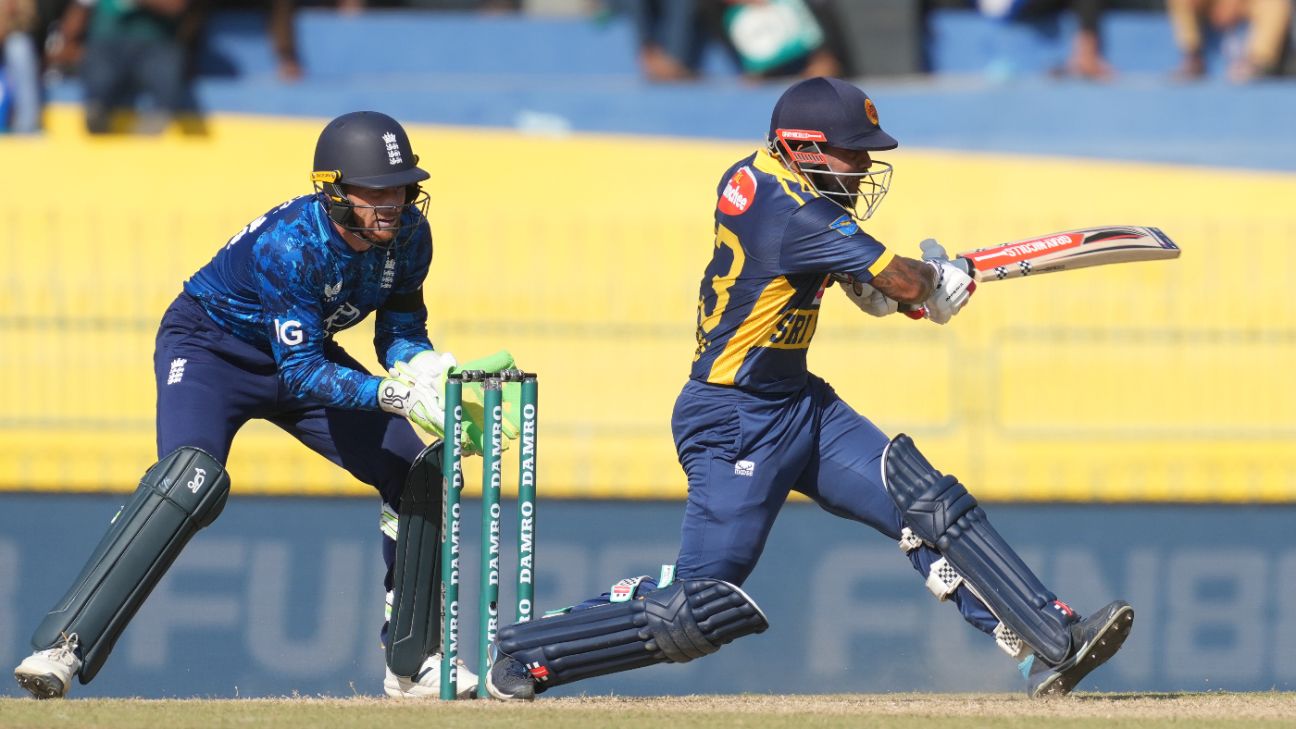
The surface was dry, slow, and heavily favored spin bowling throughout the contest. England deployed six different spin options across 40.3 overs of Sri Lanka's innings—a record for the team in ODI cricket. The conditions forced batters on both sides to completely recalibrate their approach.
Root's Masterclass in Subcontinental Batting
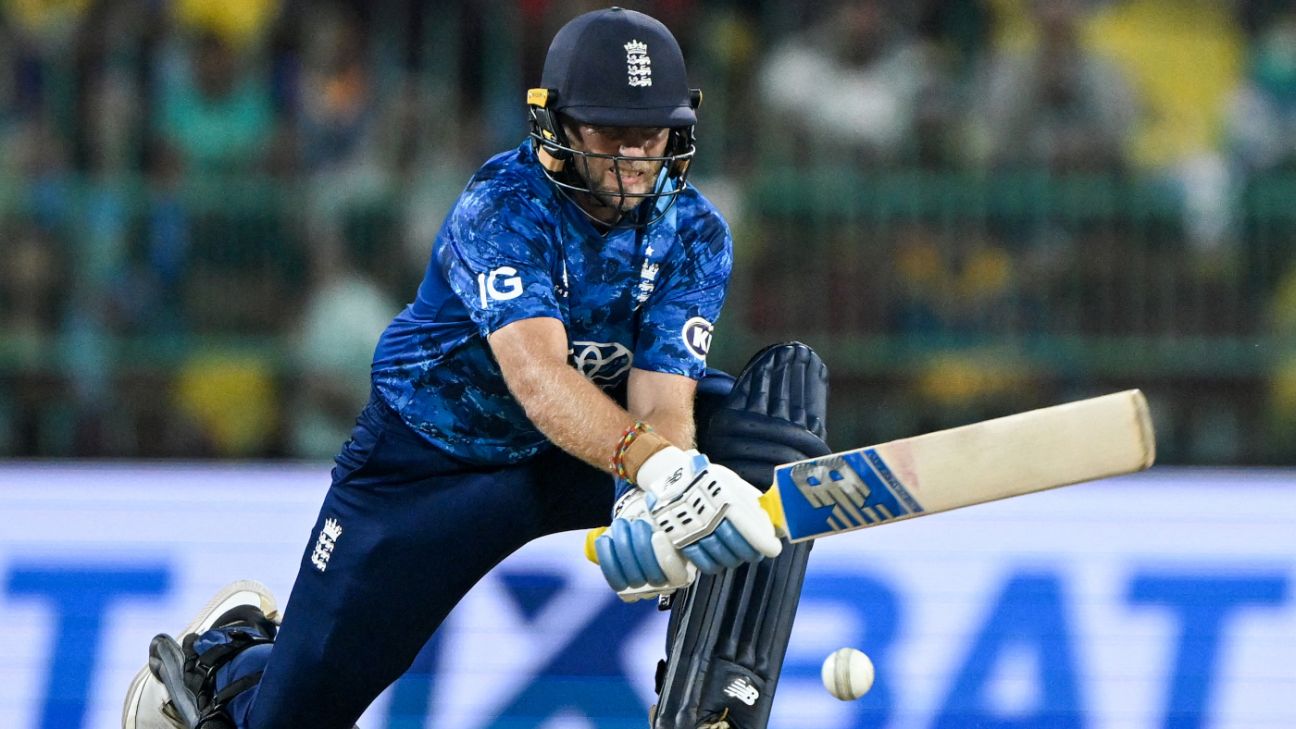
Joe Root delivered another Player of the Match performance, scoring 75 runs from 90 balls to anchor England's chase of 220. This followed his 61 in the opening game, demonstrating his remarkable consistency in Sri Lankan conditions.
Root's record in Sri Lanka now stands at an exceptional average of 64.9 across 14 ODIs dating back to 2014. His ability to manipulate the field and rotate strike proved invaluable on a surface where conventional strokeplay was almost impossible.
"I was just trying to take the ball as late as possible. I don't think that's a great wicket for ODI cricket, if I'm being brutally honest. But we found a way today, and we adapted and learned from the mistakes we made in the first game."
Brook Sacrifices Natural Game for Team Success
Captain Harry Brook compiled a patient 42 from 71 balls—a strike rate of 56.00 that was slower than all but two of his ten Ashes innings. For a player known for his aggressive intent, this innings demonstrated remarkable discipline and tactical awareness.
The Brook-Root partnership of 81 for the third wicket proved to be the backbone of England's successful chase. Brook acknowledged Root's brilliance:
"His ability to be able to get off strike, and put the bad ball away when they slightly miss, is awesome. He's a phenomenal player to have in our side."
Buttler's Finishing Flourish Seals Victory
Jos Buttler ensured there would be no late dramas, smashing an unbeaten 33 from just 21 balls to guide England home comfortably. His aggressive finishing provided the perfect contrast to the attritional batting that preceded it.
Bowling Performance: Six-Spin Attack Creates History
England's decision to deploy six different spin options paid dividends as they bowled Sri Lanka out with three balls of their innings remaining. The recalled Will Jacks, drafted in as a replacement for the injured Zak Crawley, contributed 10 overs for 47 runs.
"The bowlers did an amazing job there. Obviously, they're used to these conditions, so to bowl them out was awesome work from them guys."
Crawley's late withdrawal due to a knee injury forced a tactical reshuffle, but Jacks proved more than capable in the dual role of middle-order batter and frontline spinner.
Sri Lanka's Self-Inflicted Wounds
Sri Lanka captain Charith Asalanka conceded that his team had been "at least 30 runs short" of a competitive total. The hosts were complicit in their own downfall, with Kusal Mendis—hero of the opening ODI victory—running himself out for 26.
"There are a few areas to need to improve. Credit goes to their batters, especially Joe Root and Harry Brook, they batted really well in that middle period."
Historical Context: England's Overseas Struggles
This victory marked England's first overseas ODI win since their tour of West Indies in November 2024. It was also the first away win under Brook's captaincy, providing significant relief after a difficult run of results.
The win also represented England's first victory in five ODIs, demonstrating the rebuilding phase the white-ball team finds itself in.
Root's Love Affair with Sri Lanka Continues
Joe Root's affinity for Sri Lankan conditions extends beyond ODI cricket. His most recent Test tour in 2021 saw him secure back-to-back victories with massive first-innings hundreds.
"I always love coming to Sri Lanka. It's a great country. I always feel extremely welcomed from everyone, and obviously enjoy playing here."
His experience in subcontinental conditions proved invaluable, particularly in reading spin from the hand and adjusting footwork to account for variable bounce.
Tactical Lessons: Adapting to Conditions
England's approach demonstrated clear tactical learning from their opening defeat. Root outlined the strategic thinking:
"We knew it was going to be a case of trying to maximise the powerplay and then a couple of big partnerships. If a couple of guys batted for a period of time, it was going to be difficult for Sri Lanka to wrestle momentum back in their favour."
The swift turnaround from the Ashes in Australia to subcontinental ODI cricket represented a significant challenge, but Root's vast experience—nearly 400 international appearances—proved crucial in navigating the transition.
Looking Ahead: Series Decider Beckons
With the series now level at 1-1, both teams will prepare for a decisive third ODI. England will hope for improved conditions, while Sri Lanka must address their batting shortcomings and fielding lapses if they are to secure a home series victory.
For Brook's England, this win provides valuable momentum and proof that they can compete in challenging overseas conditions. The challenge now is to build on this success and establish a winning culture in the white-ball formats.
The pitch debate will likely continue, but England's ability to adapt and prevail—despite the conditions—speaks volumes about the character developing within this group.