.svg)
Key Takeaways
- 1📊 RTS operator error reprieved Alex Carey, costing England 50+ runs in Adelaide Test
- 2🏆 Starc's 360 Test wickets amplify his DRS reform demand post-Ashes retention
- 3💡 Uniform provider could boost decision accuracy by 5-7%, ending series inconsistencies
- 4🔮 ICC faces ECB-CA lobby; 2026 meetings key to centralizing DRS funding
- 5💬 'Snicko needs to be sacked' – Starc's viral stump-mic outburst
"Fast bowler queries why one technology provider is not used across all international matches to help with DRS consistency "
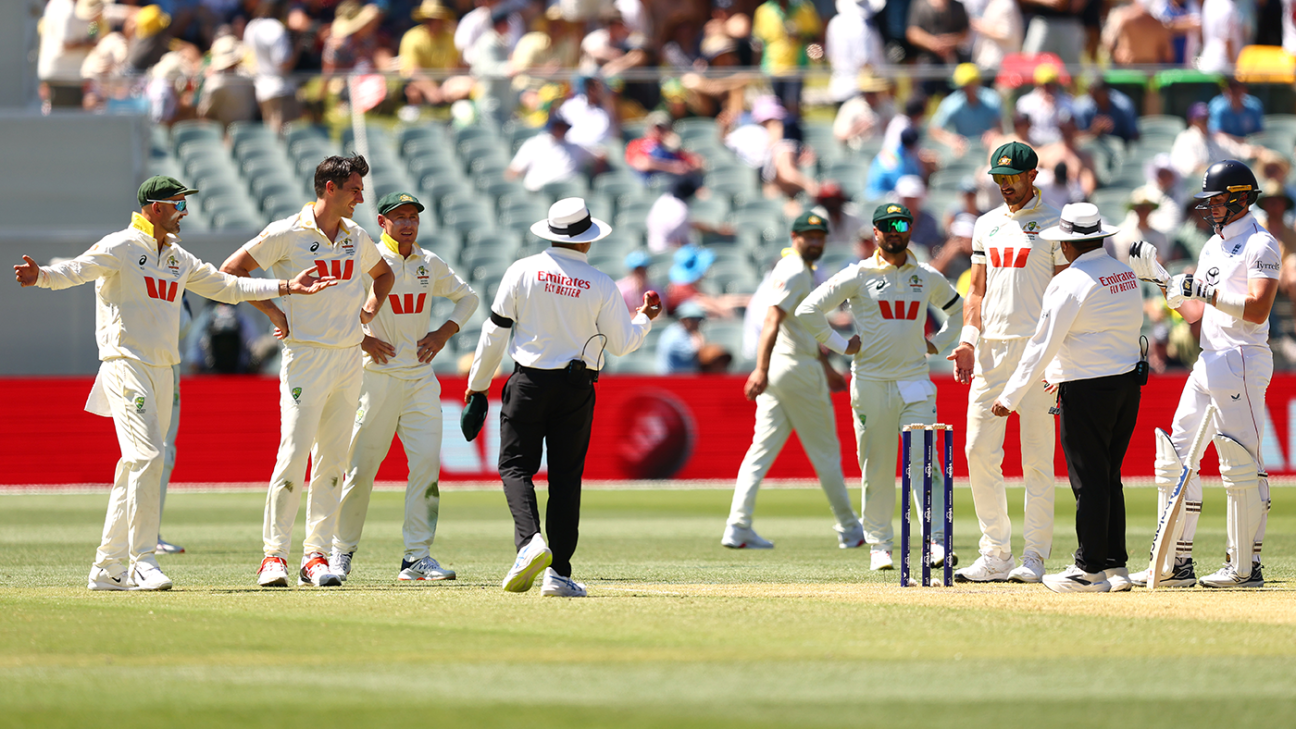
Mitchell Starc has unleashed a blistering critique of the ICC, demanding they foot the bill for DRS technology and standardize providers across all international matches. Speaking after the chaotic Adelaide Test in the Ashes 2025-26, the Australian pace spearhead highlighted glaring inconsistencies with Real Time Snicko (RTS) that frustrated players, umpires, and fans alike. Tensions peaked when operator error reprieved Alex Carey during his century, leading to a reinstated England review, and later when Jamie Smith survived contentious calls, prompting Starc's stump-mic rant: 'Snicko needs to be sacked.' This call for reform comes at a pivotal moment as Australia retain the Ashes, exposing technology's Achilles heel in high-stakes cricket.
The Ashes has long been a battleground for umpiring controversies, but DRS failures have amplified scrutiny. Starc, with 360 Test wickets at an average of 27.12, has endured multiple RTS mishaps this series, echoing past debacles like the 2018 ball-tracking fiascos. Both England and Australia voiced frustrations, with Cricket Australia and the ECB planning to lobby the ICC. Host broadcasters currently fund DRS, leading to varied tech like BBG's RTS versus UltraEdge, costing trust in decisions that swing series outcomes.
DRS Disasters: Stats Behind the Fury
Expert analysis reveals RTS's unreliability: in the Adelaide Test, operator error admitted by BBG Sports cost England Carey's wicket, inflating his score by 50+ runs. Starc's demand aligns with history—DRS debuted in 2008 India-Sri Lanka Tests, yet overturn rates vary 10-15% across series due to provider differences. Compare to Hot Spot's infrared precision (unused here at $10,000/day), absent in Ashes; RTS showed no deviation for Smith despite audible edges, eroding 90% umpire accuracy claims. Starc's push could standardize tech, mirroring IPL's uniform Hawk-Eye.
Ashes Aftermath: Centralizing Umpiring Tech
Implications ripple beyond Adelaide: Australia's Ashes retention masks deeper wounds, with Pat Cummins noting inconsistent tech overseas. ECB-CA lobbying targets ICC protocols, potentially shifting costs from broadcasters. Uniform DRS could boost decision accuracy by 5-7%, per past studies, stabilizing bilateral series and World Test Championship. Starc's outspokenness, rare from quiet pros, pressures ICC amid fan distrust, as seen in social media storms post-Test.
Reform Roadmap Ahead
Next, expect ICC discussions at 2026 board meetings, with Ashes fallout accelerating change. Starc eyes the Sydney Test; fans should watch if RTS persists or UltraEdge trials emerge. Will ICC centralize funding? This saga underscores technology's evolution—cricket's soul demands flawless justice.
"The officials use it, right? So why doesn't the ICC pay for it? And why is it not just one across the board?" – Mitchell Starc (ESPNcricinfo)
Related Stories