.svg)
Key Takeaways
- 1🌾 10mm grass coverage maintained seam movement throughout contest, preventing traditional pitch evolution
- 2📊 36 wickets in six sessions with highest score 46—first Australian Test since 1932 with no 50+ scores
- 3⚖️ Double standard exposed: Asian pitches criticized while Australian surfaces escape similar scrutiny
- 4💡 Grass coverage extends 'new ball' conditions, eliminating traditional batting-friendly pitch progression
- 5🔮 Future curators may face explicit instructions to balance seam assistance with five-day match viability
"The ennui was palpable as 20 wickets went down on another fast-forward day of Ashes cricket"
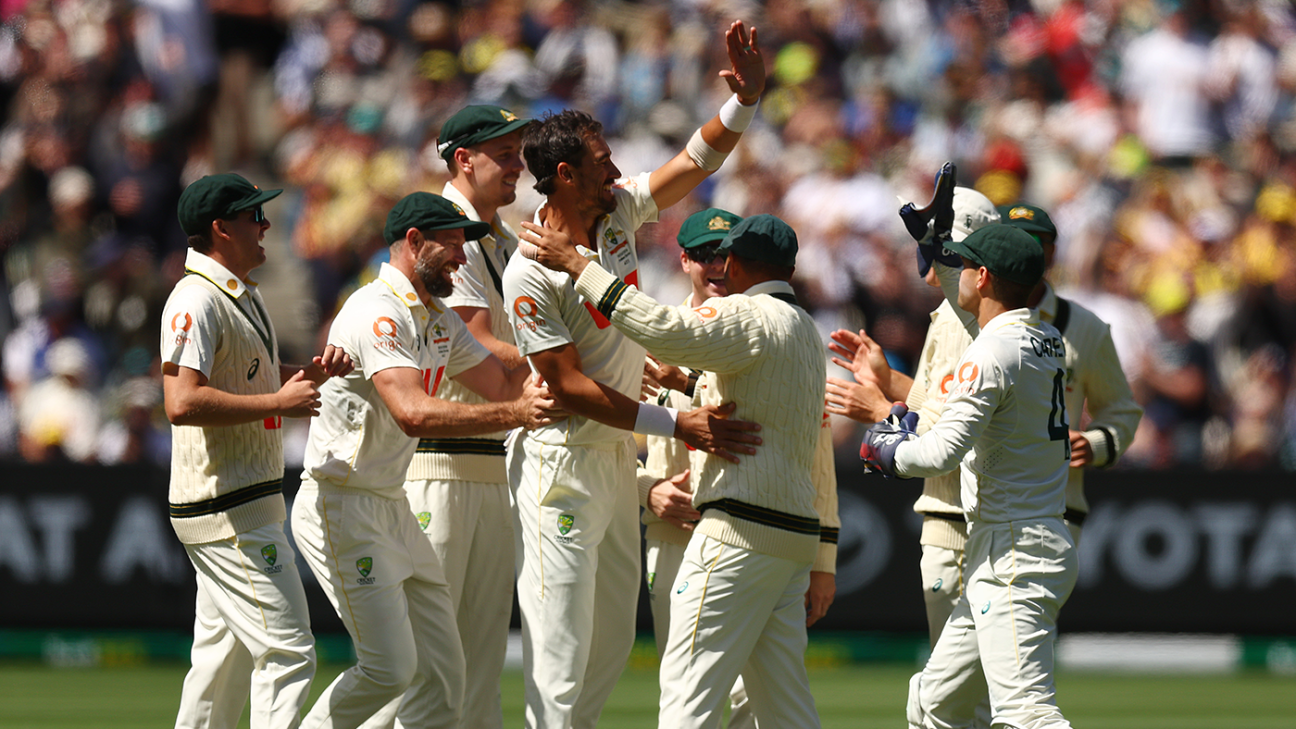
A seemingly innocuous decision by MCG curator Matt Page to leave 10mm of grass on the pitch created one of cricket's most extraordinary contests, where 36 wickets tumbled in six sessions and the fundamental nature of Test cricket appeared suspended in favor of seam-bowling chaos. England's four-wicket victory emerged from this botanical anomaly, with Ben Stokes and his team capitalizing on conditions that rendered batting technique almost irrelevant and transformed the MCG into a bowler's paradise that defied conventional cricket logic. The grass coverage, typically left to provide early assistance before the pitch settles for batters, instead maintained relentless seam movement throughout the contest, creating a surface that produced the first Australian Test since 1932 where no individual batter reached 50 across both innings—a statistical rarity that underscores the extreme difficulty imposed by this particular preparation.
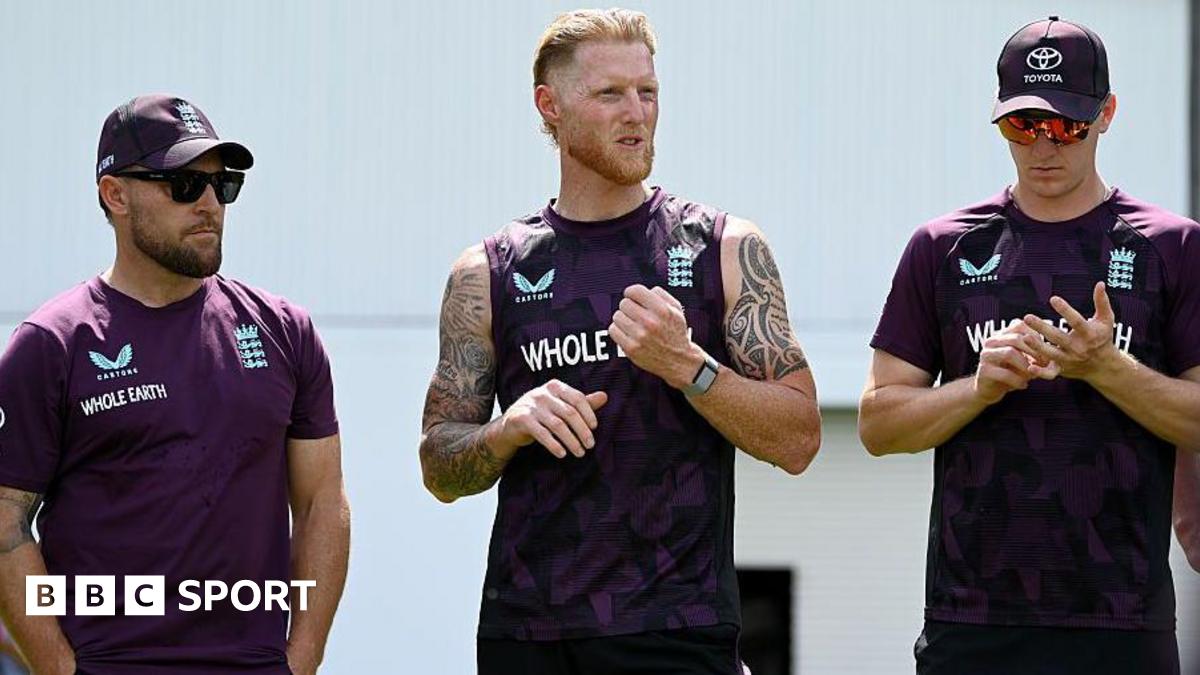
Test cricket traditionally balances pitcher preparation between bowlers and batters, with groundskeepers leaving minimal grass coverage to provide early seam movement before the surface deteriorates and becomes more favorable for batting. The MCG's 10mm coverage represented a significant departure from this convention, creating conditions that persisted throughout the contest rather than evolving toward traditional batting-friendly surfaces. Steve Smith acknowledged the pitch "did more than we thought it was going to," while Stokes questioned whether such conditions would be tolerated in other parts of the world, implicitly referencing Asian pitches that have faced international criticism for excessive turn. The grass coverage became the focal point of discussion, with cricket analysts and commentators dissecting how a seemingly minor preparation decision could so dramatically alter the contest's trajectory.
The Science of Seam Movement
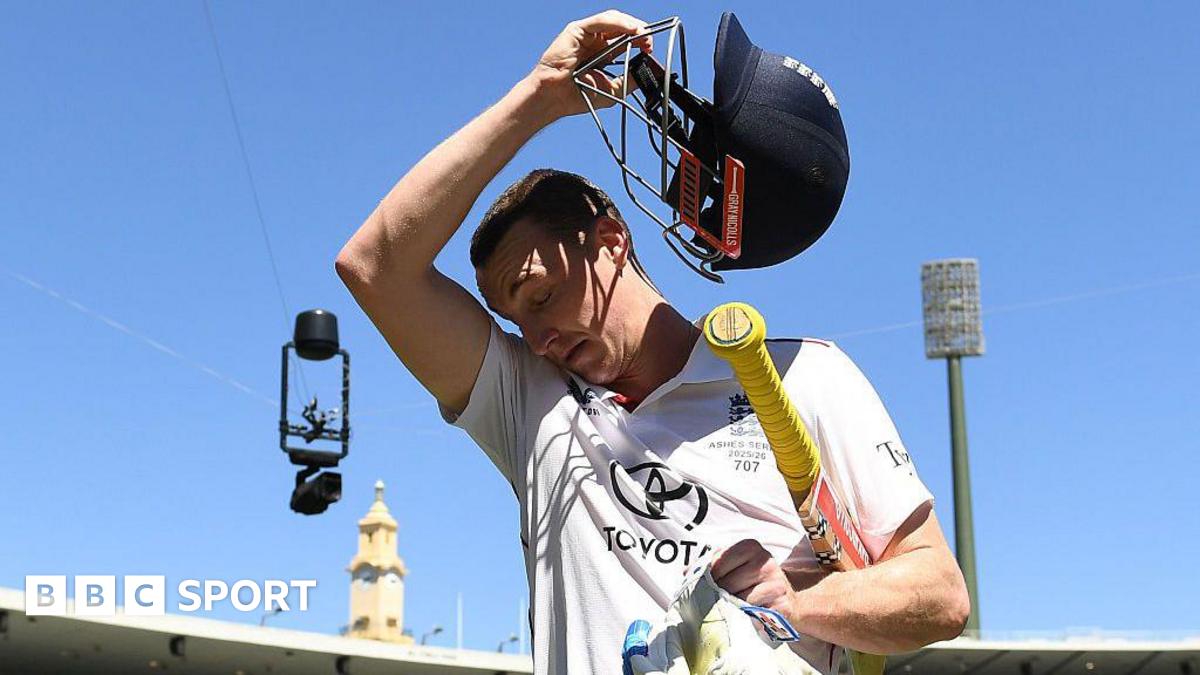
Grass coverage affects pitch behavior through multiple mechanisms: it provides moisture retention that maintains the surface's ability to move the ball laterally, creates uneven bounce that troubles batters' technique, and generates the visual cues that seam bowlers exploit to deceive batters. The MCG's 10mm grass maintained these conditions across all four innings, preventing the natural pitch deterioration that typically occurs as the contest progresses. Travis Head's 46 represented the highest individual score, with most batters falling to deliveries that moved unpredictably off the seam or through the air. The grass coverage essentially extended the "new ball" conditions throughout the contest, eliminating the traditional progression where pitches become increasingly favorable for batting as wear and tear accumulate.
Implications for Pitch Preparation Standards
The MCG Test exposed inconsistencies in how international cricket authorities evaluate pitch preparation, with Stokes highlighting the double standard whereby Asian pitches face scrutiny while Australian surfaces escape similar criticism. Cricket Australia faced financial consequences but no regulatory intervention, suggesting that pitch preparation standards remain inconsistently applied across different regions. Future Tests may see greater oversight of grass coverage decisions, with CEO Todd Greenberg hinting at potential intervention to prevent similar commercial disasters. The 10mm grass decision, while technically within preparation guidelines, raised fundamental questions about whether such extreme conditions serve Test cricket's competitive and commercial interests.
Future Grass Coverage Decisions
The MCG Test likely represents a turning point in how Australian curators approach grass coverage, with financial pressures and international criticism combining to suggest future pitches will feature less grass to ensure matches extend beyond two days. Matt Page and his peers may face explicit instructions to balance seam-bowling assistance with batting viability, recognizing that extreme conditions—while technically valid—damage both the sport's competitive integrity and commercial sustainability. The final Sydney Test becomes an opportunity to demonstrate that traditional Test cricket can flourish when pitches allow genuine competition between bat and ball.
"With 36 wickets in less than two days and no total over 200, I think you can read into that a lot." - Ben Stokes on the MCG pitch's extreme nature