.svg)
Key Takeaways
- 1⏰ Bangladesh has been given a 24-hour ultimatum by the ICC to confirm their participation in the T20 World Cup 2026 in India
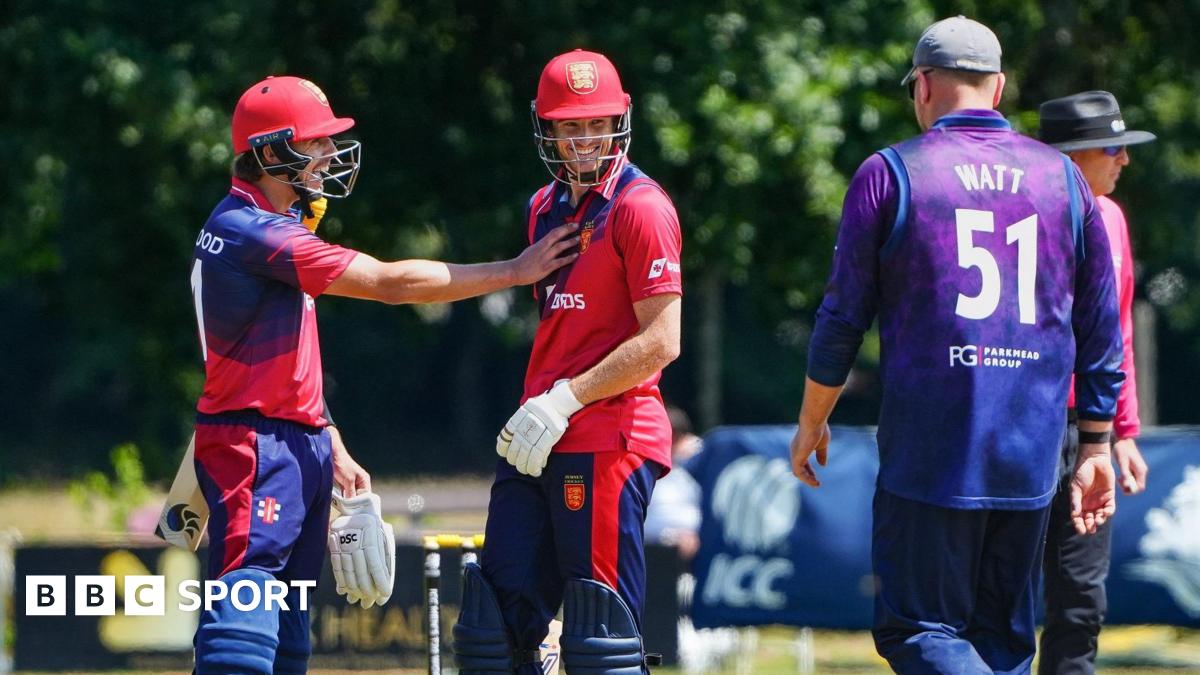
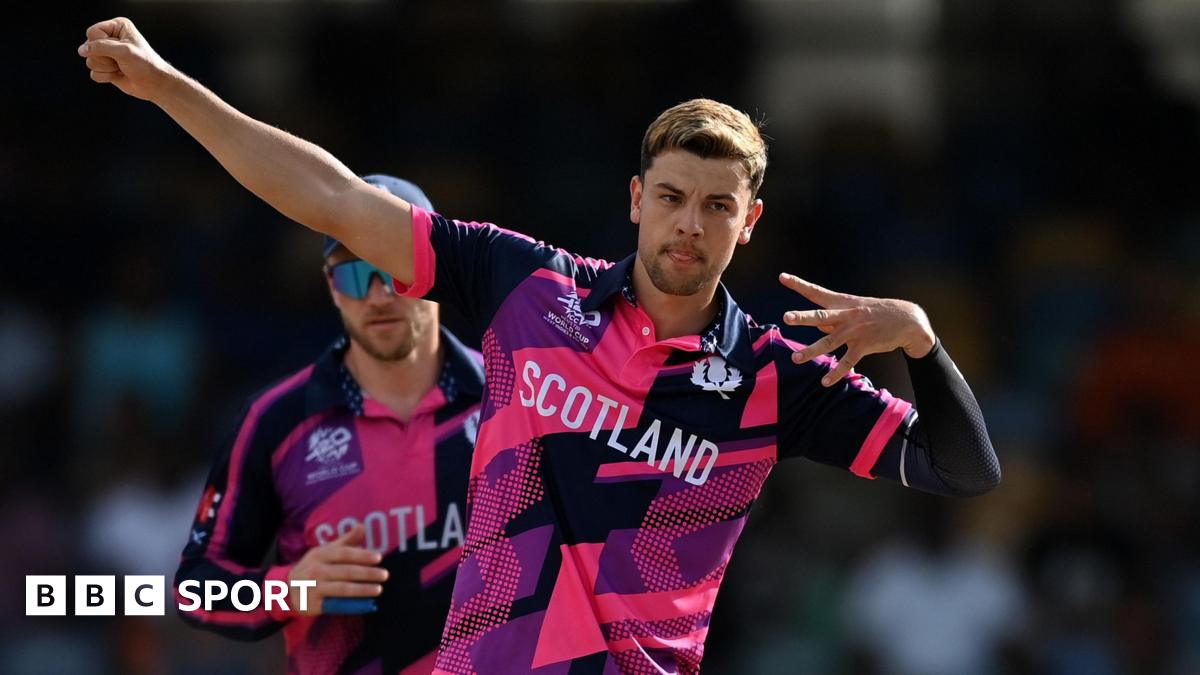
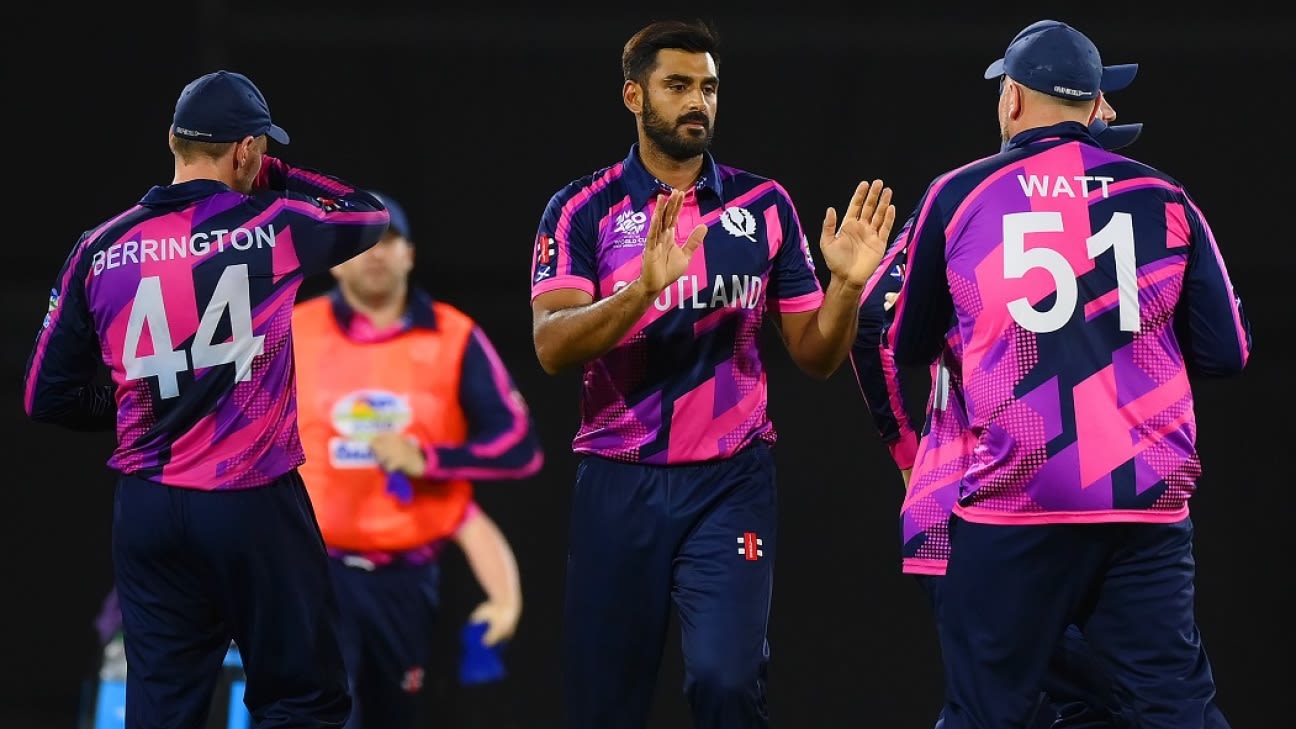
- 2🏏 Scotland will replace Bangladesh in Group C based on team rankings if the BCB refuses to travel
- 3🗳️ Only Pakistan supported Bangladesh's position at the ICC Board meeting, with all other Full Members voting against
- 4🔒 ICC confirmed all independent security assessments found no credible threat to Bangladesh at Indian venues
- 5🔗 The crisis originated from BCCI's instruction to KKR to release Mustafizur Rahman from their IPL 2026 squad
- 6📅 Bangladesh's scheduled matches in Kolkata (Feb 7, 9, 14) and Mumbai (Feb 17) hang in the balance
"BCB has been given one more day to change its stance on the issue "
T20 World Cup 2026: ICC Issues Ultimatum to Bangladesh, Scotland on Standby as Replacement
In a dramatic escalation of the ongoing standoff between the International Cricket Council and the Bangladesh Cricket Board, the ICC has issued a 24-hour ultimatum to Bangladesh regarding their participation in the upcoming T20 World Cup 2026. The global cricket governing body has made it clear: travel to India or face replacement by Scotland.
The Board Meeting That Changed Everything
The pivotal decision emerged from an ICC Board meeting held on Wednesday, where the majority of directors voted decisively in favor of finding a replacement team should Bangladesh maintain their refusal to play in India. Of the 15 directors present at this crucial meeting, only Pakistan backed the BCB's position.
The meeting saw attendance from the highest echelons of cricket administration worldwide, including:
- Jay Shah – ICC Chair
- Aminul Islam – BCB President
- Devajit Saikia – BCCI Secretary
- Mohsin Naqvi – PCB Chairman
- Shammi Silva – SLC President
- Mike Baird – CA Chairman
Also present were representatives from Zimbabwe, West Indies, Ireland, New Zealand, England, South Africa, and Afghanistan, along with Associate Member directors and ICC management officials.
Security Concerns: The Heart of the Dispute
Bangladesh's refusal to travel to India stems from security concerns that the BCB, in coordination with the Bangladesh government, formally communicated to the ICC on January 4, 2026. However, the ICC has categorically stated that all security assessments—including independent reviews—have indicated no credible threat to Bangladesh players, media personnel, officials, or fans at any tournament venues in India.
ICC's Official Position
The ICC emphasized that making changes so close to the tournament was not feasible. More importantly, altering the schedule without a credible security threat could set a dangerous precedent that would jeopardize future ICC events and undermine the organization's neutrality as cricket's global governing body.
The Mustafizur Rahman Connection
The crisis traces its origins to an unexpected development in the IPL 2026 preparations. The BCCI instructed Kolkata Knight Riders to release Bangladesh fast bowler Mustafizur Rahman from their squad, though no specific reason was provided for this directive. This move triggered Bangladesh's subsequent refusal to participate in Indian venues.
The ICC addressed this connection directly in their statement, noting that the BCB had "repeatedly linked its participation in the tournament to a single, isolated and unrelated development concerning one of its player's involvement in a domestic league." The governing body firmly stated this linkage "has no bearing on the tournament's security framework."
Bangladesh's Group Stage Schedule Under Threat
Should Bangladesh ultimately refuse to travel, Scotland would inherit the following fixtures in Group C:
| Date | Venue | Match |
|---|---|---|
| February 7, 2026 | Kolkata | Group C Match 1 |
| February 9, 2026 | Kolkata | Group C Match 2 |
| February 14, 2026 | Kolkata | Group C Match 3 |
| February 17, 2026 | Mumbai | Group C Match 4 |
Pakistan's Solitary Support
In a notable display of solidarity, the Pakistan Cricket Board wrote to the ICC and other boards on Tuesday, expressing support for Bangladesh's position. However, this backing proved insufficient at the board meeting, with Pakistan being the sole Full Member nation to side with the BCB.
BCB's Alternative Proposals Rejected
The BCB had proposed several alternatives during their interactions with the ICC:
- Sri Lanka as alternative venue – Bangladesh requested to play all their matches in Sri Lanka instead of India
- Group swap – The BCB suggested swapping their group with a team like Ireland, which has all group matches scheduled in Sri Lanka
Both proposals were firmly rejected by the ICC, which maintained that venue and scheduling decisions are guided by objective threat assessments, host guarantees, and uniform participation terms for all 20 competing nations.
ICC's Diplomatic Efforts
The ICC highlighted their extensive efforts to resolve the impasse:
- Sustained and constructive dialogue with the BCB over several weeks
- Sharing of detailed independent security assessments
- Comprehensive venue-level security plans
- Formal assurances from Indian host authorities
- In-person meetings in Dhaka by ICC ACU head Andrew Ephgrave
Despite these diplomatic overtures, including layered federal and state law-enforcement support details, the BCB has maintained its position.
Scotland: The Beneficiary in Waiting
Based on team rankings, Scotland stands as the designated replacement should Bangladesh fail to confirm their participation. This would represent a significant opportunity for Scottish cricket on the world stage, though arriving under unprecedented circumstances.
What Happens Next
The BCB has been granted one additional day to confer with the Bangladesh government and reverse their stance. The decision carries enormous implications:
- For Bangladesh: Missing a major ICC event would be a significant blow to their cricketing prestige
- For the ICC: The precedent set here will influence how future disputes are handled
- For Scotland: A potential dream debut at the T20 World Cup beckons
Looking Ahead: A Crossroads for International Cricket
This standoff represents more than a scheduling dispute—it touches on the fundamental governance of international cricket. The ICC's firm stance signals their commitment to maintaining neutrality and preventing political considerations from disrupting major tournaments.
With just weeks remaining before the tournament commences, the cricketing world watches with bated breath. Bangladesh faces a stark choice: set aside their concerns and participate, or watch Scotland take their place on one of cricket's grandest stages.
The next 24 hours will prove decisive in shaping not just this tournament, but potentially the future framework of international cricket governance.
Related Stories