.svg)
Key Takeaways
- 1📊 36 wickets in 142 overs: MCG's grassy pitch obliterated batting records
- 2🏆 England wins chaotic 2-day Test despite ICC 'unsatisfactory' rating
- 3💡 10mm grass fueled seam/swing; brushing could have balanced it
- 4🔮 Demerit point pressures MCG reforms for 2027 Ashes
- 5💬 Stokes: 'People would raise hell if this was elsewhere'
"After 36 wickets fall in two days in the fourth Ashes Test, BBC Sport looks at why 10mm of grass was so important at the MCG."
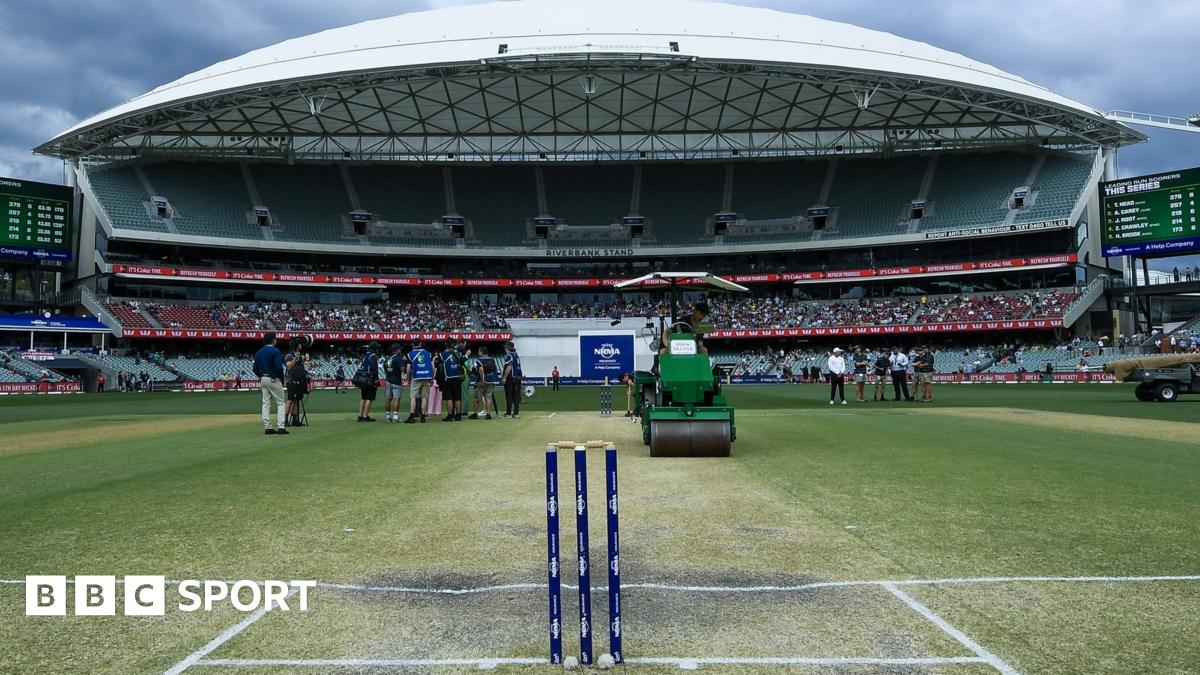
The fourth Ashes Test at Melbourne Cricket Ground (MCG) ended in just two days, with 36 wickets tumbling amid accusations that 10mm of grass left on the pitch turned it into a bowlers' paradise. England snatched a thrilling four-wicket win over Australia, but captains Ben Stokes and Steve Smith slammed the surface for undermining a proper five-day contest. This chaotic affair, where no batter passed 50, reignited debates on pitch preparation standards in Test cricket. Pundits worldwide are questioning if such conditions honor the format's traditions, especially in high-stakes series like the Ashes.
Test pitches typically feature minimal grass to balance seam aid early on with batting-friendly wear later, but MCG curator Matt Page's decision amplified seam movement and variable bounce dramatically. Historically, grassy surfaces favor pacers through swing and seam, as seen in England's green tops that produce legends like James Anderson. This match echoed Perth's rapid finish earlier in the series, highlighting inconsistent preparation Down Under. With 142 overs bowled for 36 wickets, it deviated sharply from the five-day ideal, prompting scrutiny on global curatorial practices.
Why 10mm Grass Transformed MCG
That precise 10mm grass cover retained moisture, boosting seam and swing while creating unpredictable bounce—classic traits of a green seamer. Stats reveal the carnage: 20 wickets Day 1, 16 Day 2, highest score just Travis Head's 46. Compared to standard Tests (average ~20 wickets over five days), this was anomalous; even Asia's spinner-friendly turners rarely collapse so utterly. Brushing or shorter cuts could have evened it, per groundskeeping norms, but lush grass clumped, exacerbating inconsistencies akin to unrenovated wickets.
Pitch Verdict Sparks Global Debate
The ICC slapped MCG with an 'unsatisfactory' rating and one demerit point, mirroring Perth's fate—the second such short Ashes Test. Ben Stokes hinted at double standards, noting Asian pitches face harsher criticism for quick finishes. This could pressure venues to standardize via stricter guidelines, impacting future Ashes battles and series like India's tours. For England, it salvaged pride post-urn loss; for Australia, it exposed over-reliance on home advantage.
"The MCG pitch was too much in favour of the bowlers. With 20 wickets on day one and no half-century, it's 'Unsatisfactory'." – Jeff Crowe, ICC Match Referee
Future Prep Reforms on Horizon
Upcoming Tests demand balanced pitches to restore Test cricket's allure, with curators likely verti-cutting for uniformity. Fans should watch how MCG rebounds in 2026-27 Ashes, as demerit points loom. Will global standards evolve, or persist double measures? This saga underscores why pitch science matters for cricket's soul.
Related Stories